

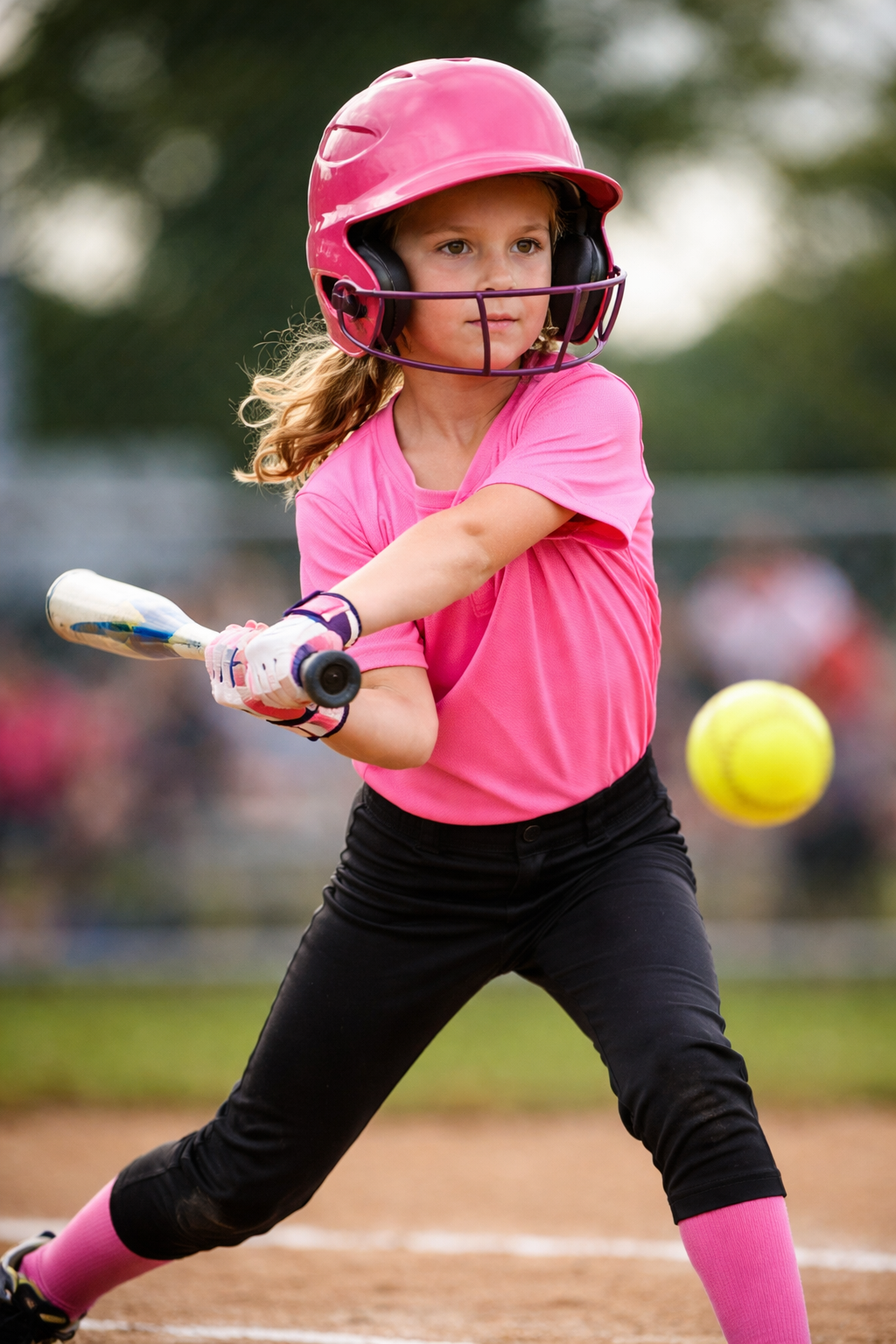
Pressure is part of softball. It always has been. But for young players today, pressure feels heavier, louder, and more constant than ever before.
And in a place like Las Vegas, where competition is intense, tournaments are frequent, and expectations are high, pressure shows up early.
It shows up in tryouts.
It shows up in weekend tournaments.
It shows up when stepping into the batter’s box.
It shows up when a ground ball is hit your way.
For many young softball players, pressure does not feel like motivation.
It feels like fear.
Fear of striking out.
Fear of making an error.
Fear of letting teammates down.
Fear of being judged.
And when fear takes over, performance drops.
That is why handling pressure is one of the most important mental skills I teach young softball players in Las Vegas.
Because pressure is not something players can avoid.
But it is something they can train for.
Why Pressure Feels So Strong in Softball
Las Vegas is competitive. Fast-paced. Full of tournaments and opportunities.
For young softball players, it can feel like every game matters.
They start thinking:
This is my chance
I need to perform
I cannot make mistakes
That is where pressure begins.
Not from the game itself.
But from what the player believes the moment means.
The First Truth I Teach: Pressure Is Not the Enemy
Most young players think pressure is bad.
But I teach something different.
Pressure is normal.
Pressure means you care.
The goal is not to remove pressure.
The goal is to play well with pressure present.
What Pressure Does to Softball Players
Pressure is not just mental. It becomes physical.
When pressure rises:
Breathing gets shallow
Hands tighten on the bat
Fielding gets stiff
Timing gets off
Decisions slow down
That is why players:
Swing too early or too late
Rush throws
Miss easy plays
Hesitate
Play tight
It is not because they forgot how to play.
It is because their body is in stress mode.
Skill 1: Breathing to Reset
The fastest way to control pressure is breathing.
I teach players a simple reset:
One deep breath in
One slow breath out
Use it:
Before stepping into the batter’s box
Before a pitch
After a mistake
Between innings
It calms the body so the player can think clearly again.
Skill 2: Focus on Controllables
Pressure increases when players focus on results.
I have to get a hit
I have to make the play
I cannot mess up
Instead, I teach controllables:
Effort
Positioning
Footwork
Communication
Focus
Aggression
When players focus on what they can control, pressure drops.
Skill 3: The “Next Play” Mindset
Softball moves fast.
Players cannot afford to stay stuck on mistakes.
So I teach:
Next pitch
Next play
Next opportunity
Confidence comes from moving forward quickly.
Skill 4: The Reset Routine
After a mistake, players need a quick reset.
Step 1: Breathe
Step 2: Cue word (Next, Reset, Attack)
Step 3: Small action (tap glove, adjust helmet)
This helps players recover instantly instead of spiraling.
Skill 5: Stop Chasing Perfection
Softball is a game of failure.
Even great hitters fail often.
So I teach:
Mistakes are part of the game
Carrying mistakes is optional
Players who accept mistakes play with more freedom.
Skill 6: Stay Aggressive Under Pressure
Pressure makes players play safe.
They stop swinging confidently.
They hesitate in the field.
So I teach:
Stay aggressive.
That means:
Take the swing
Attack the ball
Trust your instincts
Safe play creates fear.
Aggressive play builds confidence.
Skill 7: Stop Playing for the Crowd
In tournaments, players feel watched.
Parents
Coaches
Teammates
This creates anxiety.
So I teach:
Stop playing for others.
Start playing your game.
Focus on your role, your effort, your next play.
Skill 8: Mental Reps Before Games
Preparation reduces pressure.
Before games, I have players visualize:
Getting a hit
Missing and recovering
Making a play
Handling pressure
This builds familiarity and confidence.
Skill 9: Simplify Under Pressure
When pressure rises, players overcomplicate things.
So I teach:
Simplify.
See the ball
Make the play
Trust your training
Simple softball is effective softball.
Skill 10: Parent Support Matters
Parents can reduce or increase pressure.
Instead of focusing on results, I encourage:
I love your effort
I saw your focus
Keep going
This helps players feel safe and confident.
Final Thoughts
Young softball players in Las Vegas face real pressure.
But pressure does not have to break them.
It can build them.
When players learn how to breathe, reset, stay focused, and stay aggressive, everything changes.
They play freer.
They compete harder.
They grow faster.
Because the goal is not to eliminate pressure.
The goal is to perform with it.
And once a young softball player learns that, their entire game changes.

